For the Love of Photography
Sometimes it is good to photograph for no reason other than the pleasure of photography itself.
Last weekend, while attending a seminar at Dar Ħanin Samaritan, I found myself with an unexpected hour to spare. I had my camera with me, so I decided to wander.
There was no assignment. No client waiting for photographs. No particular image I needed to make.
Just me, my Sony RX1R III with its fixed 35mm lens, and some time to look.
Photography without an agenda
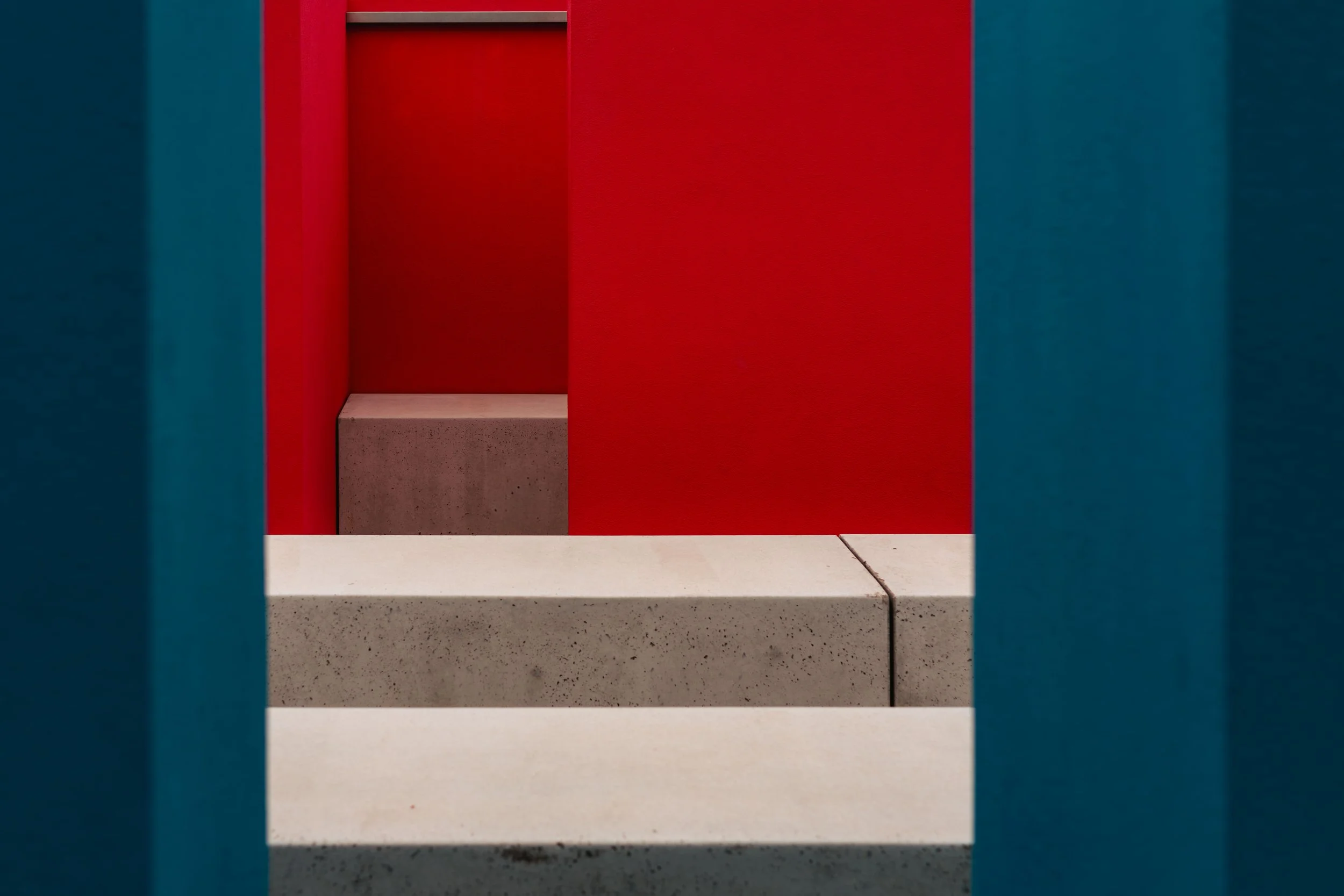
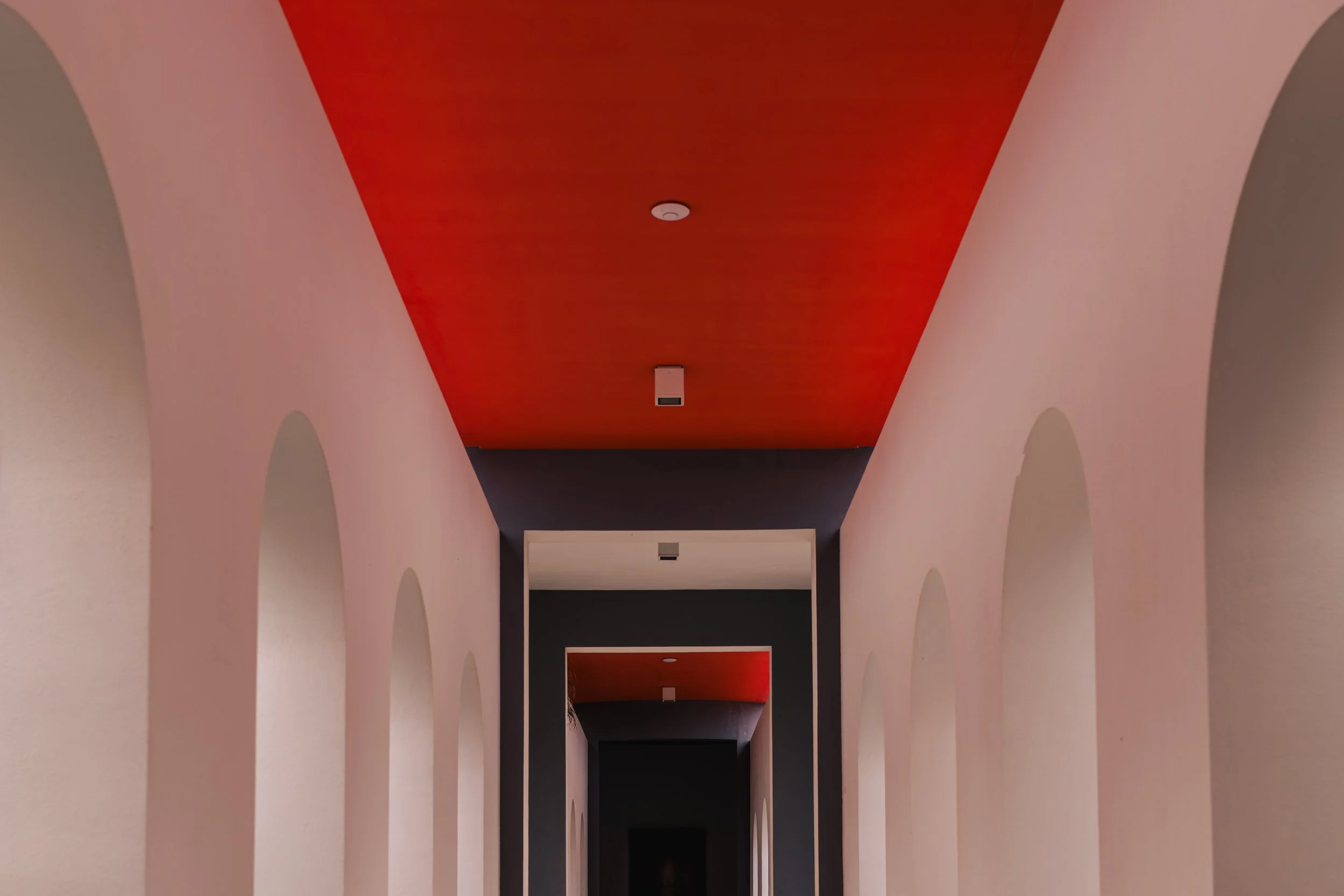
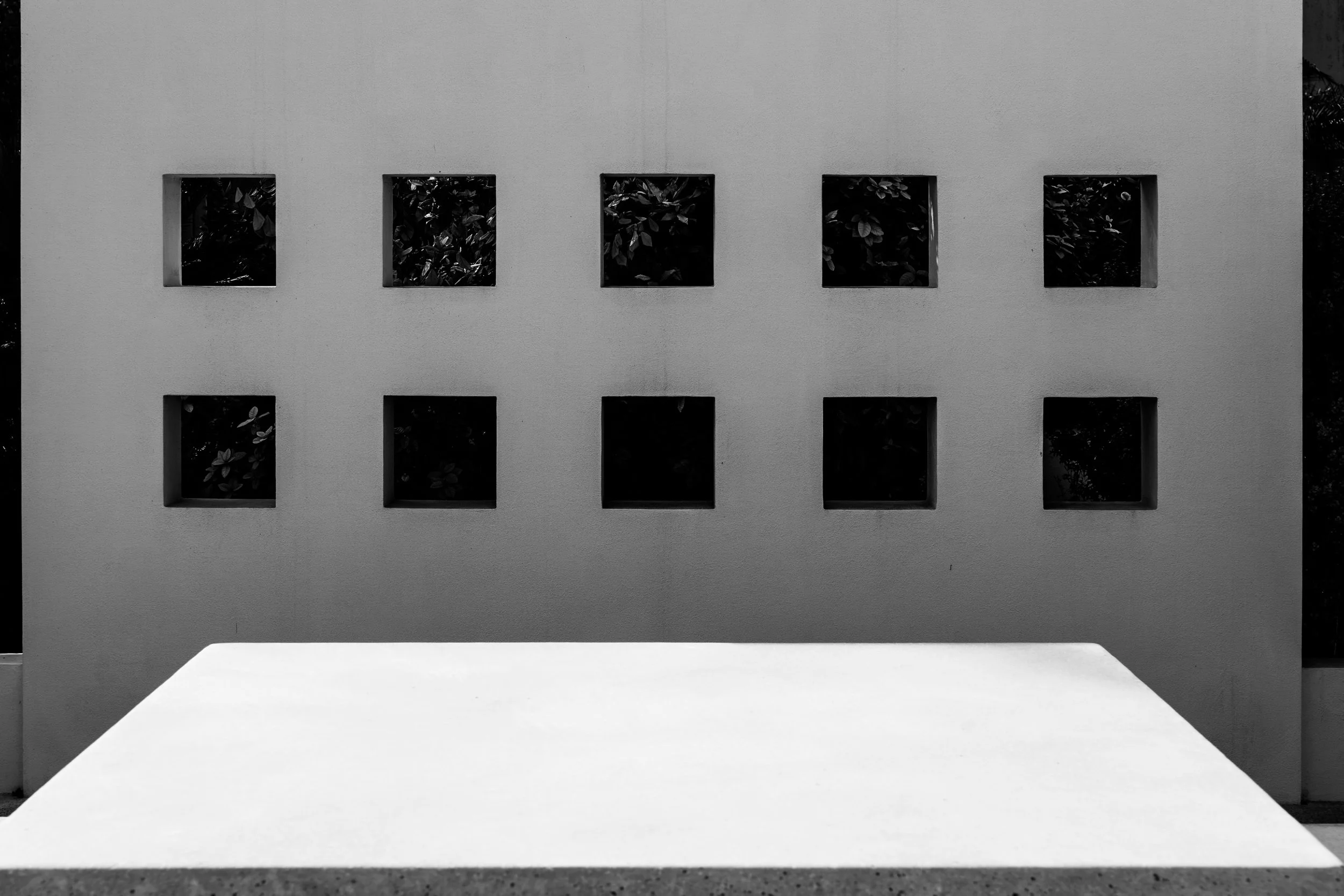
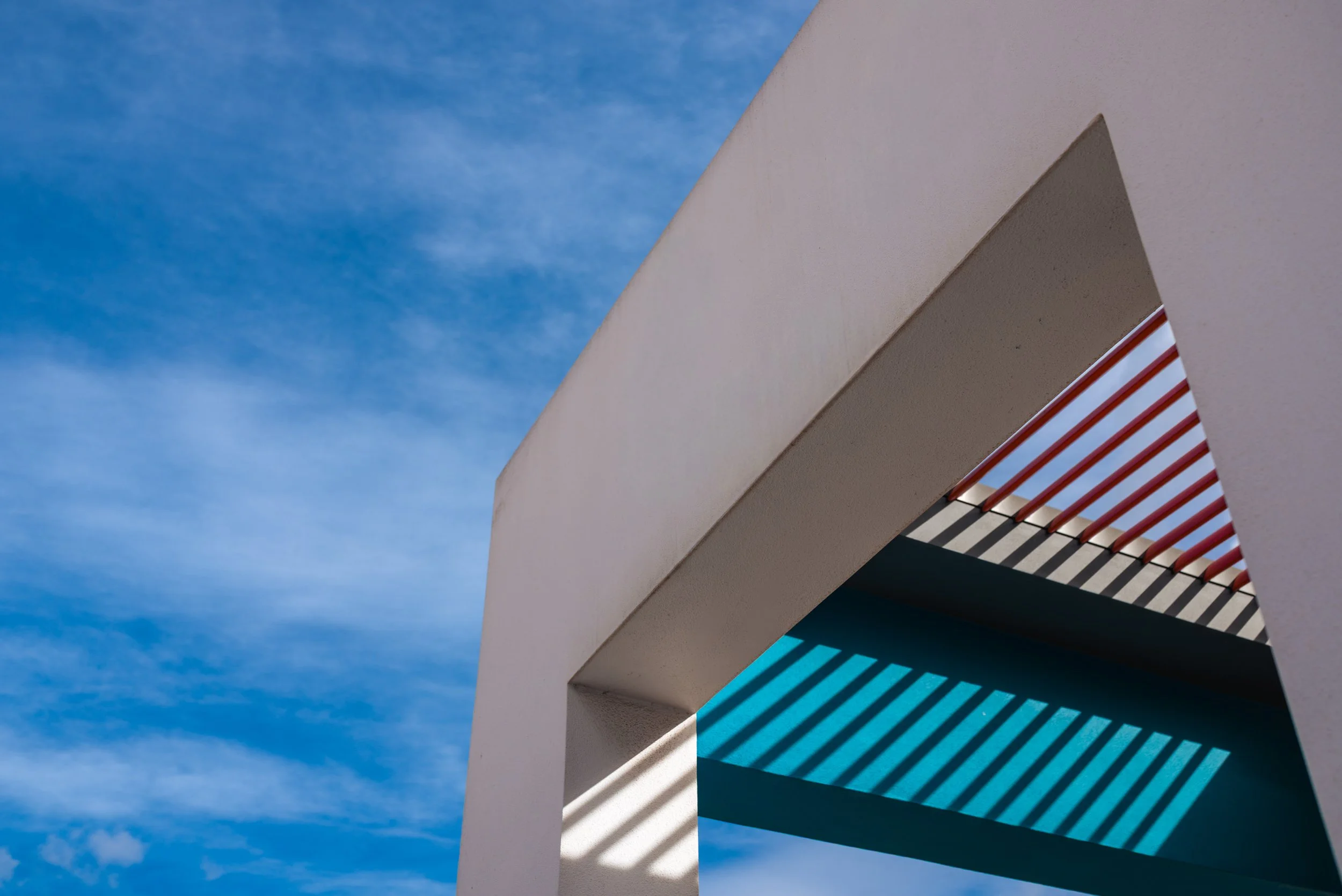
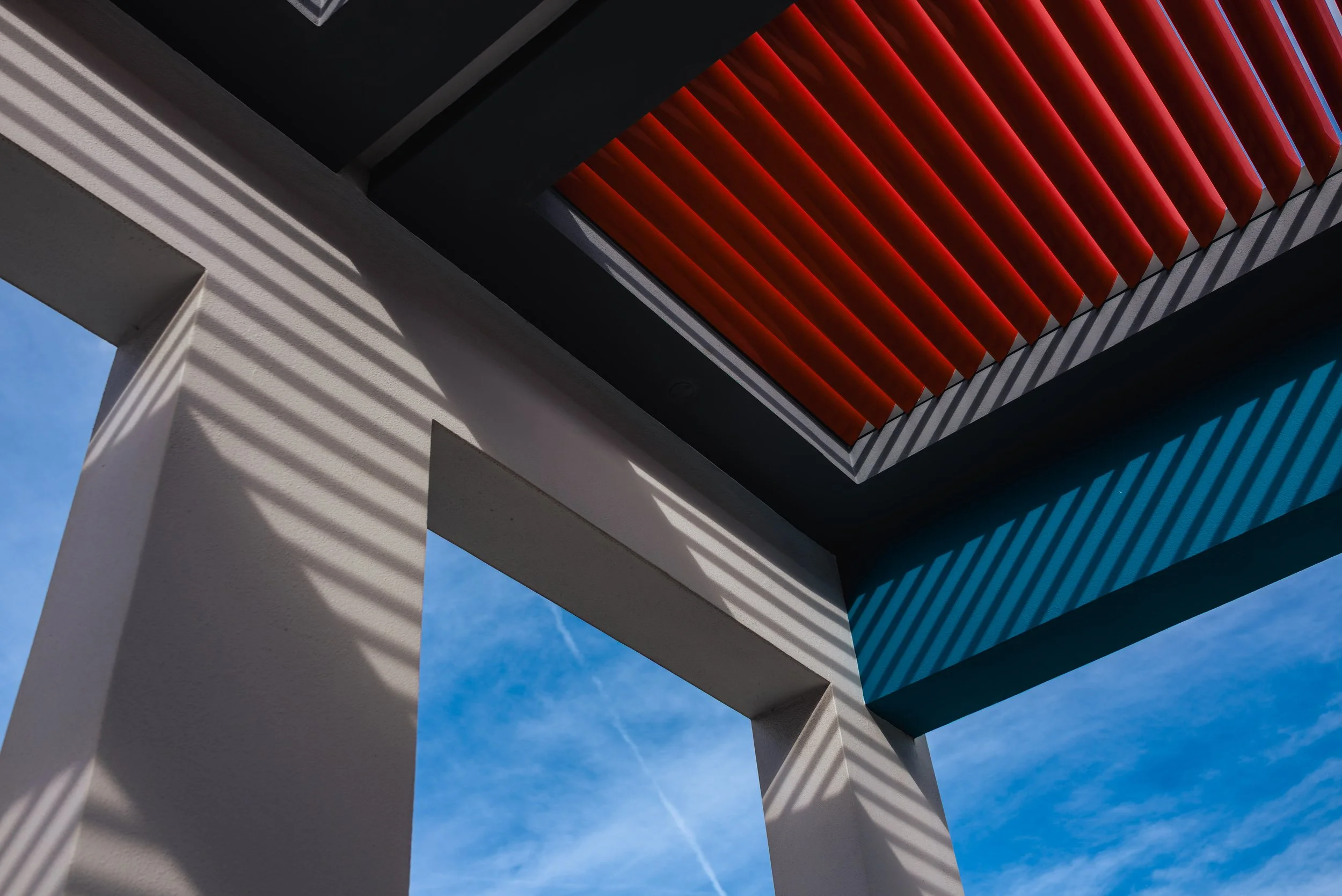
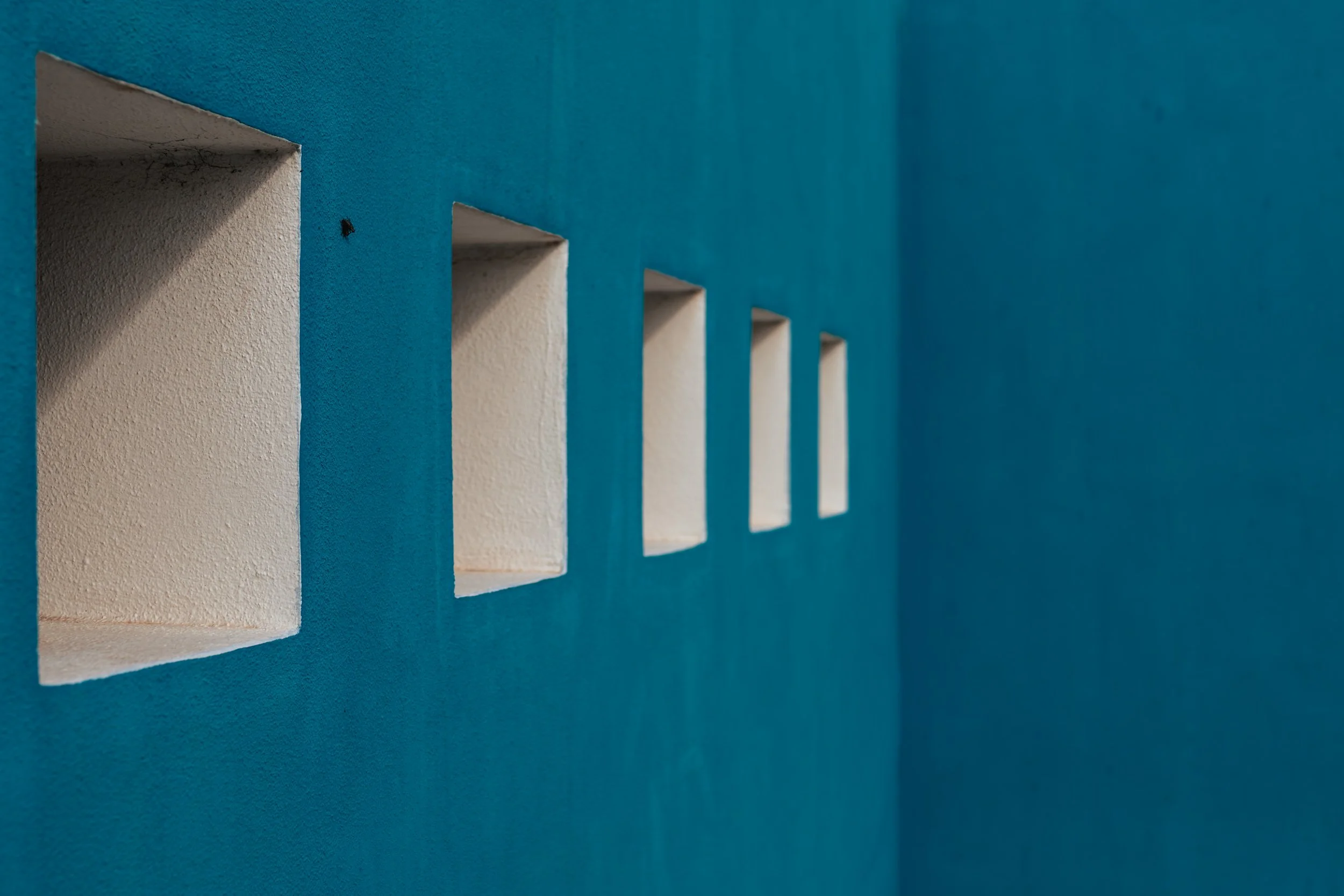
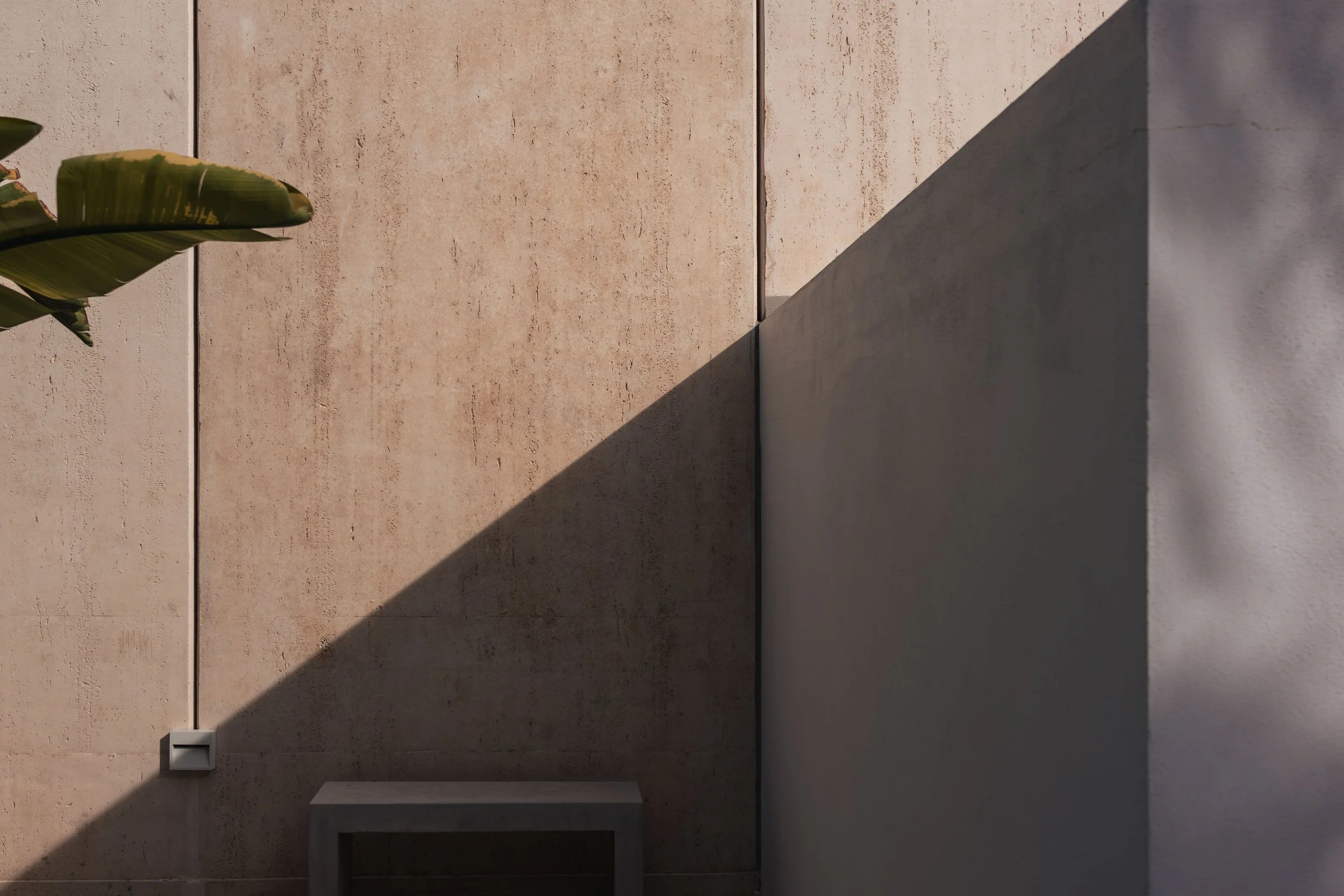
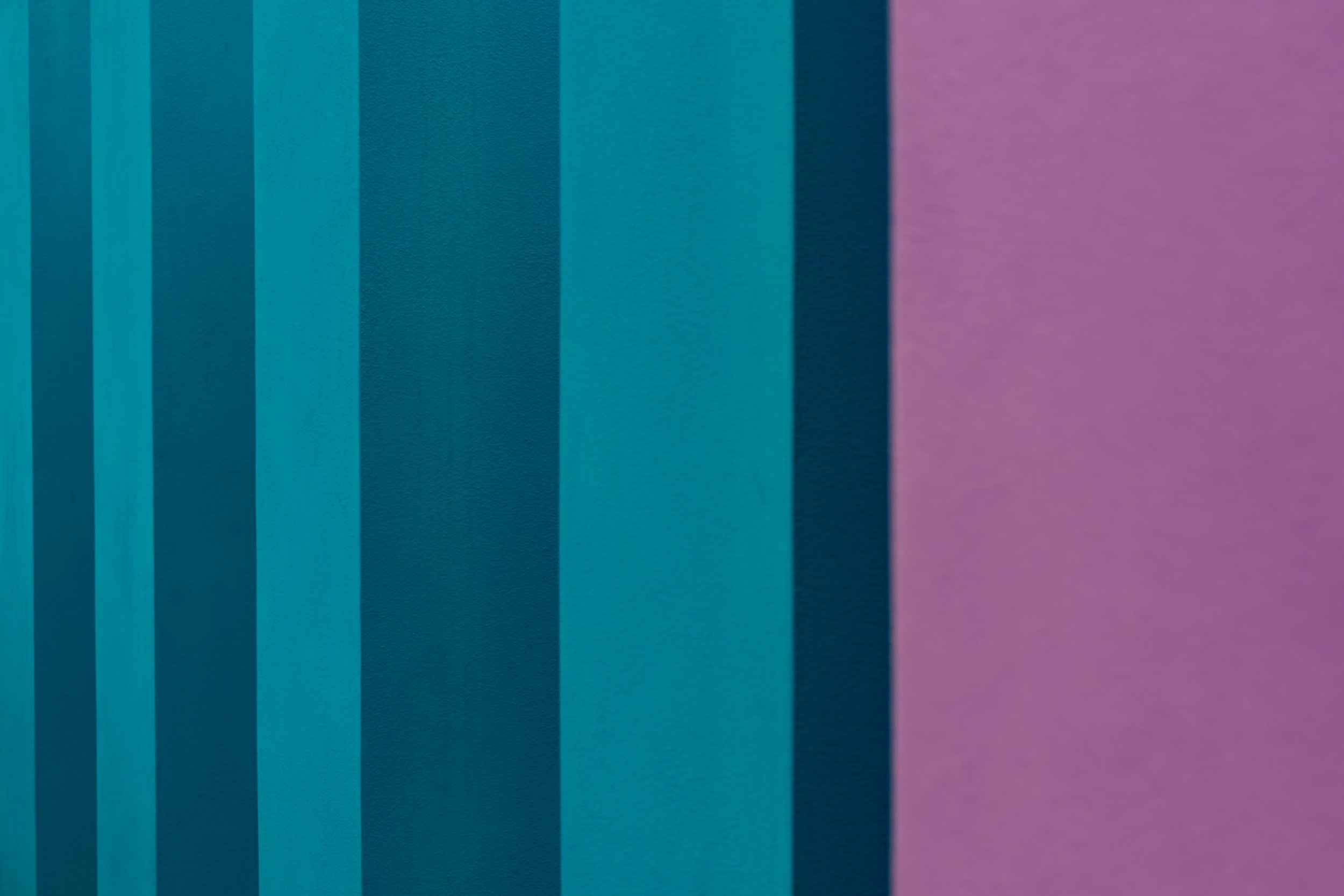
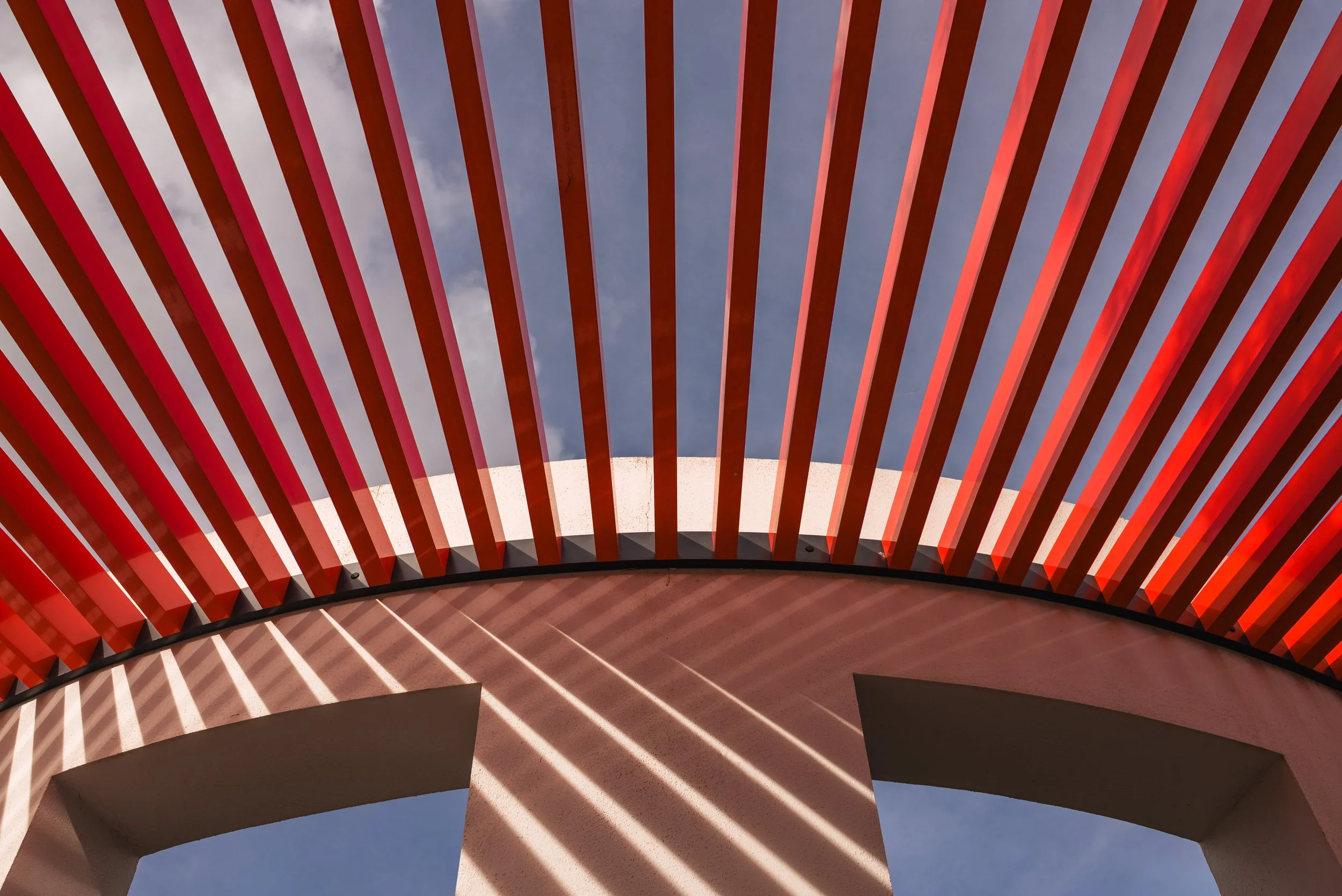
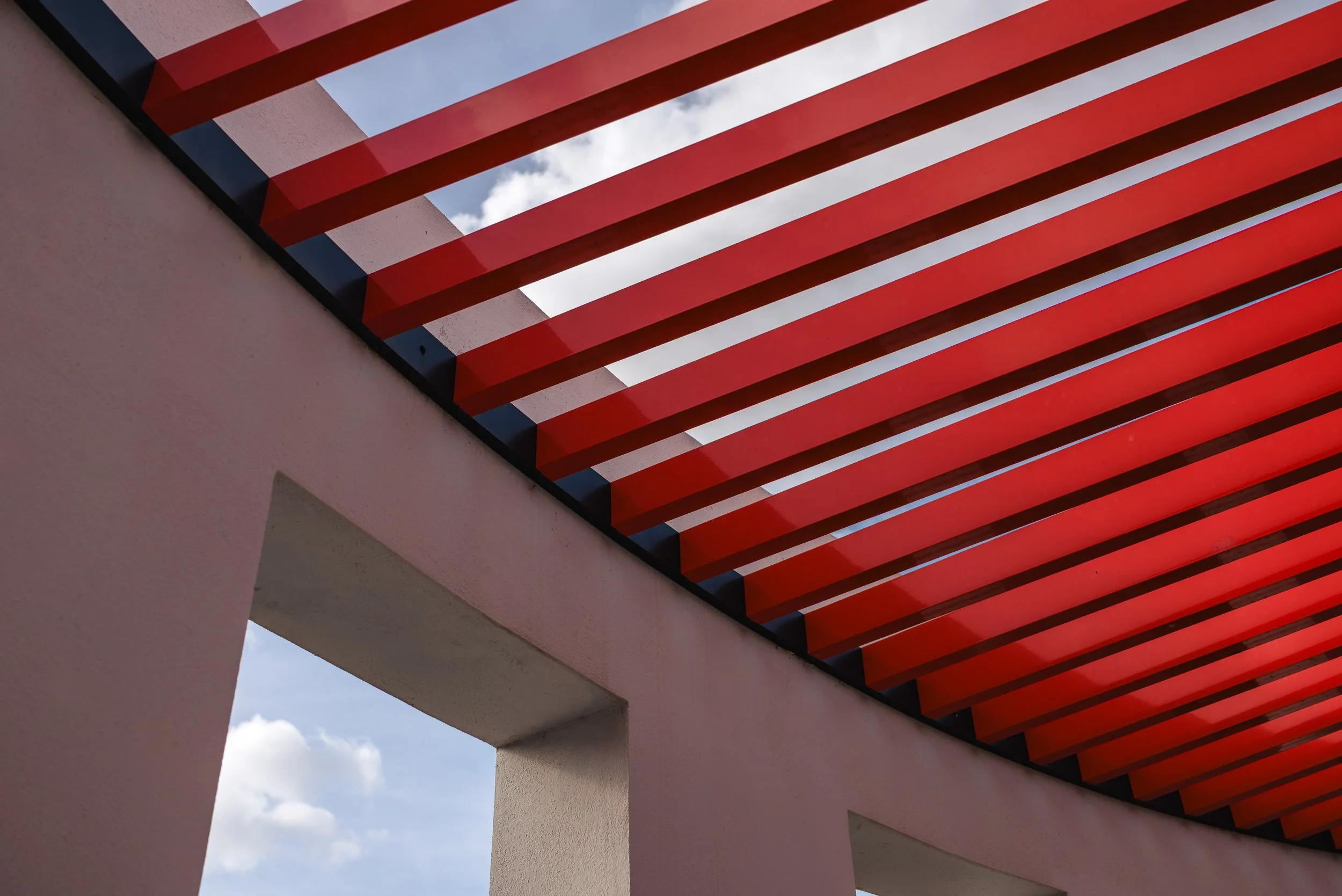
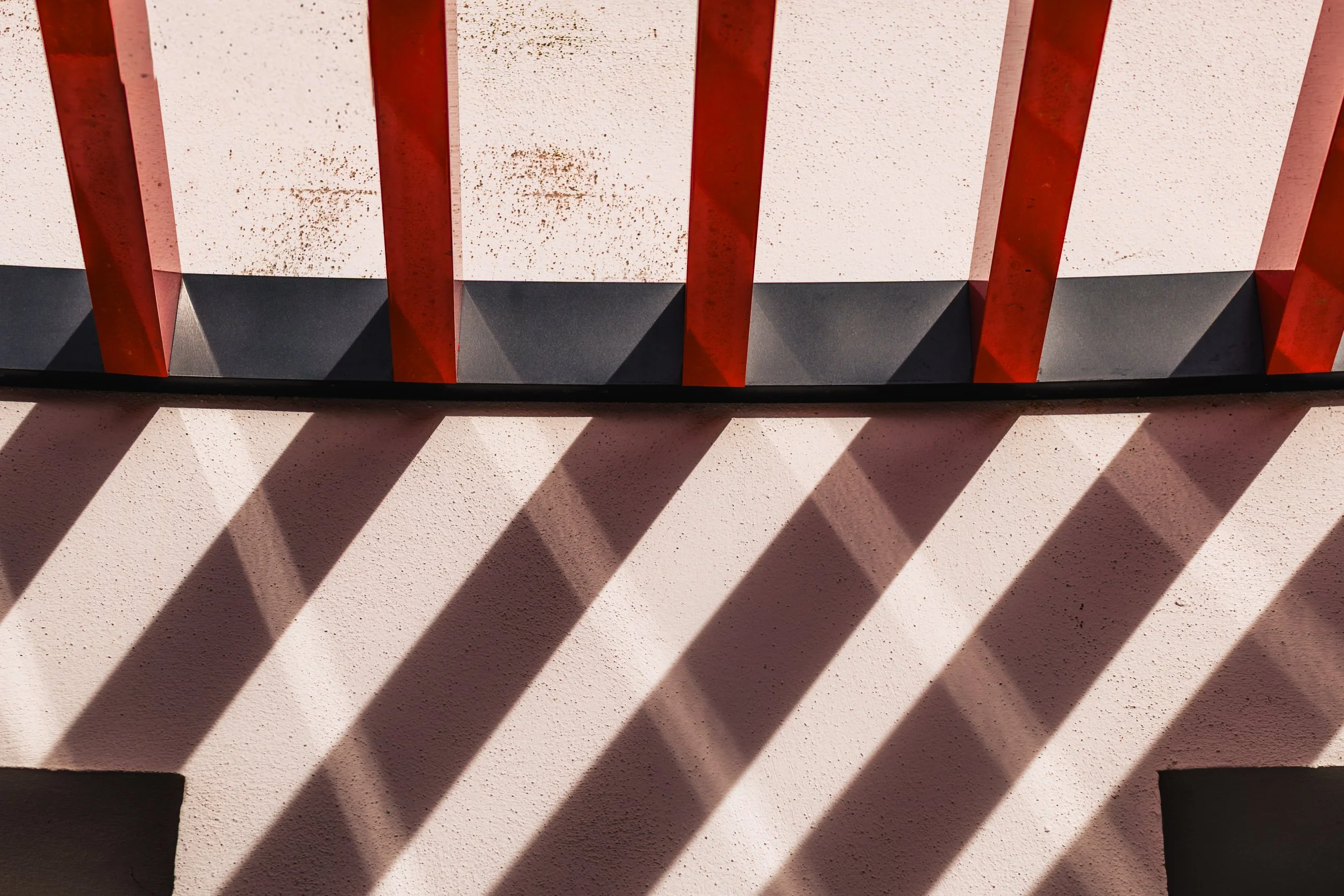
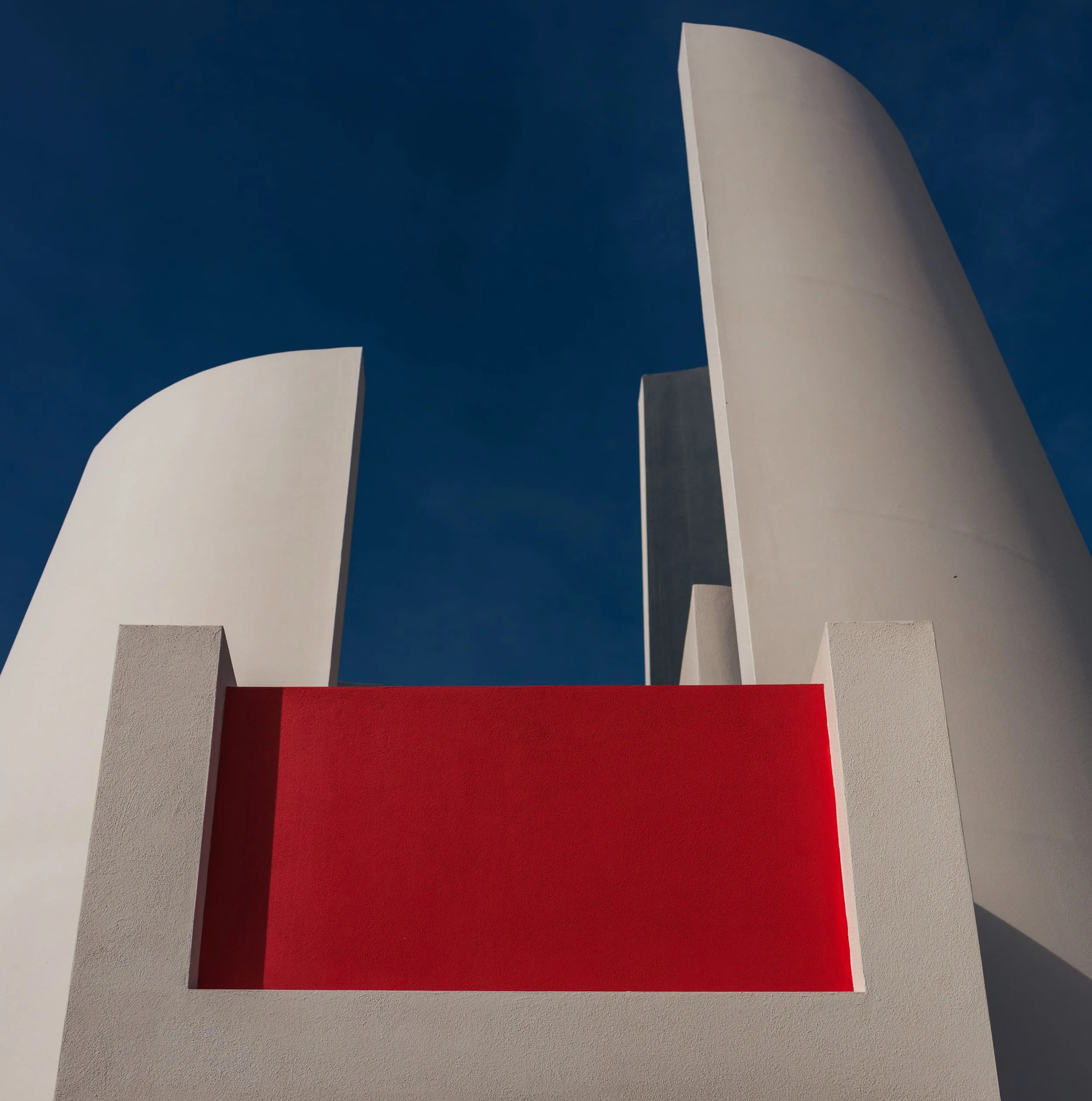
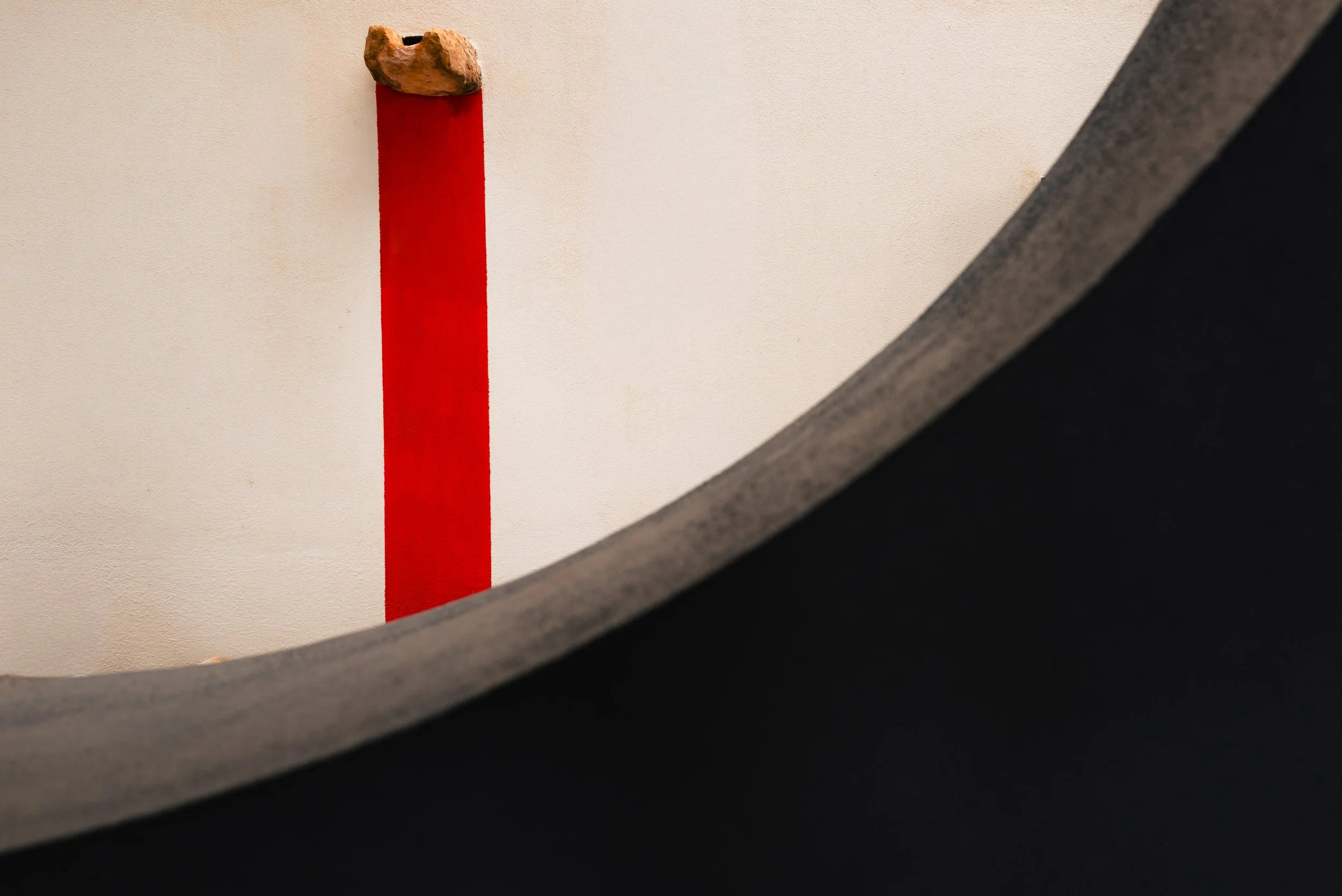
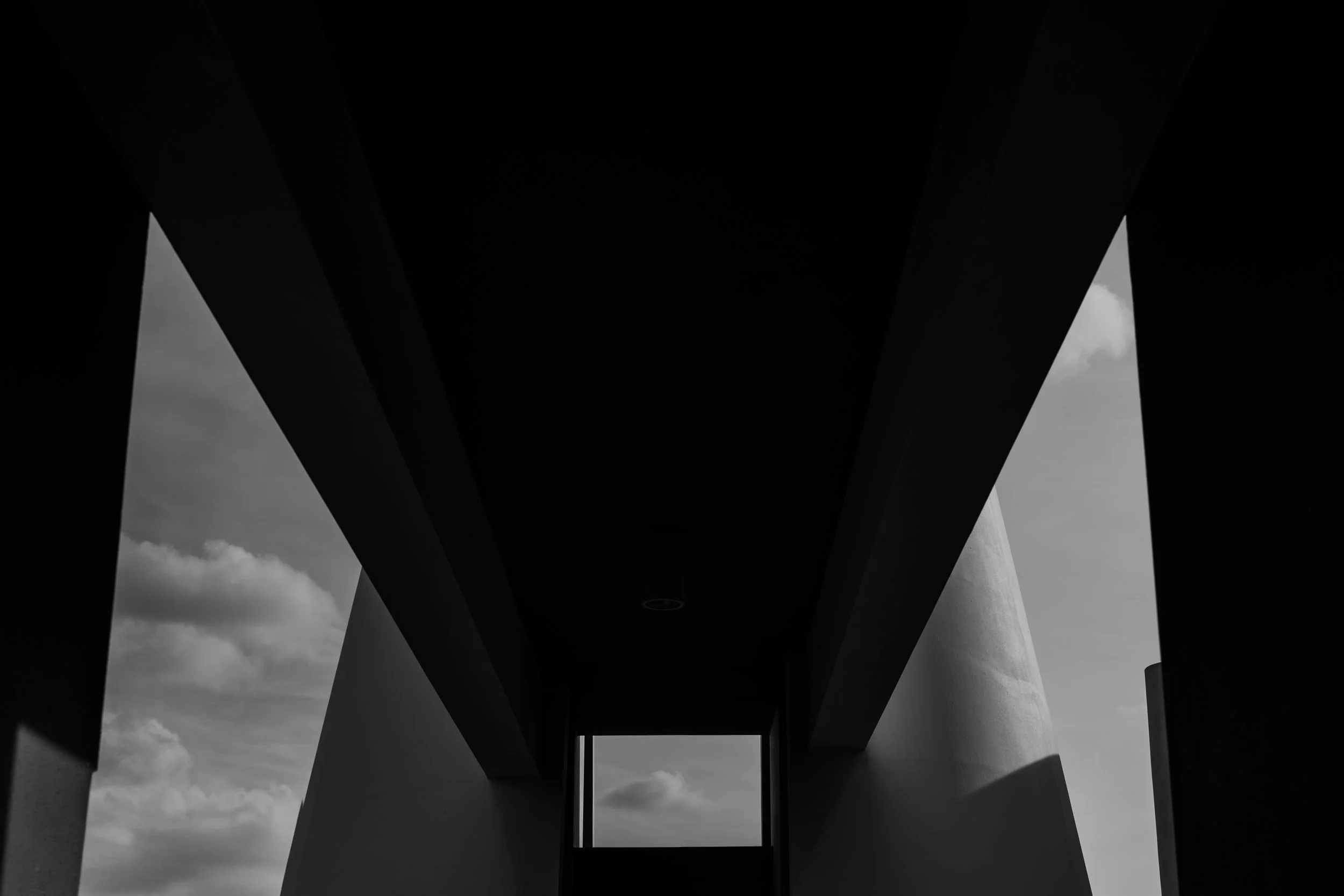
There is something liberating about making photographs without needing them to become anything. I began walking around the conference centre garden, paying attention to whatever caught my eye. Strong blocks of colour. Lines cutting across walls. Red against blue. Sunlight passing through architectural details. Shadows creating shapes that only existed for a few moments.
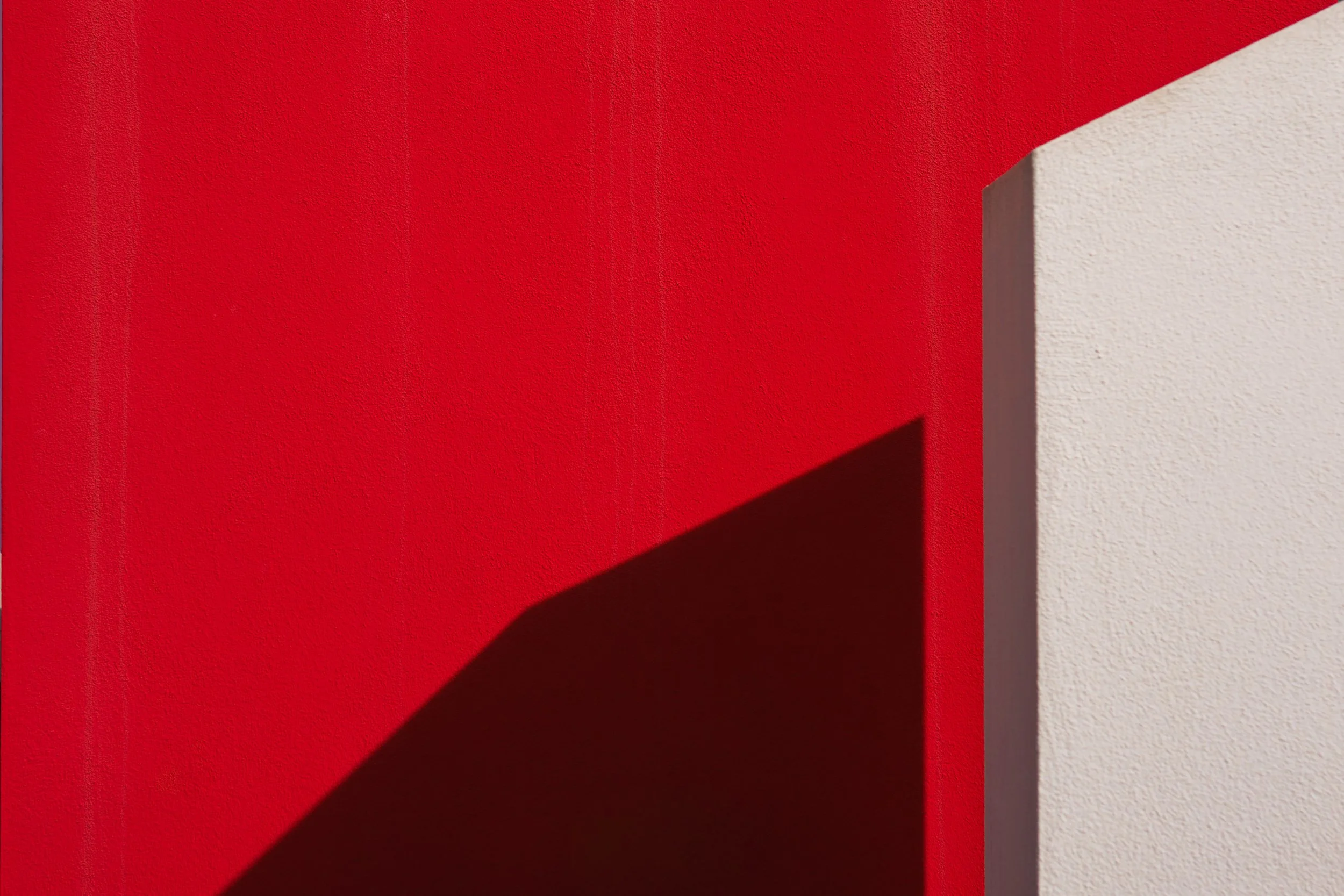
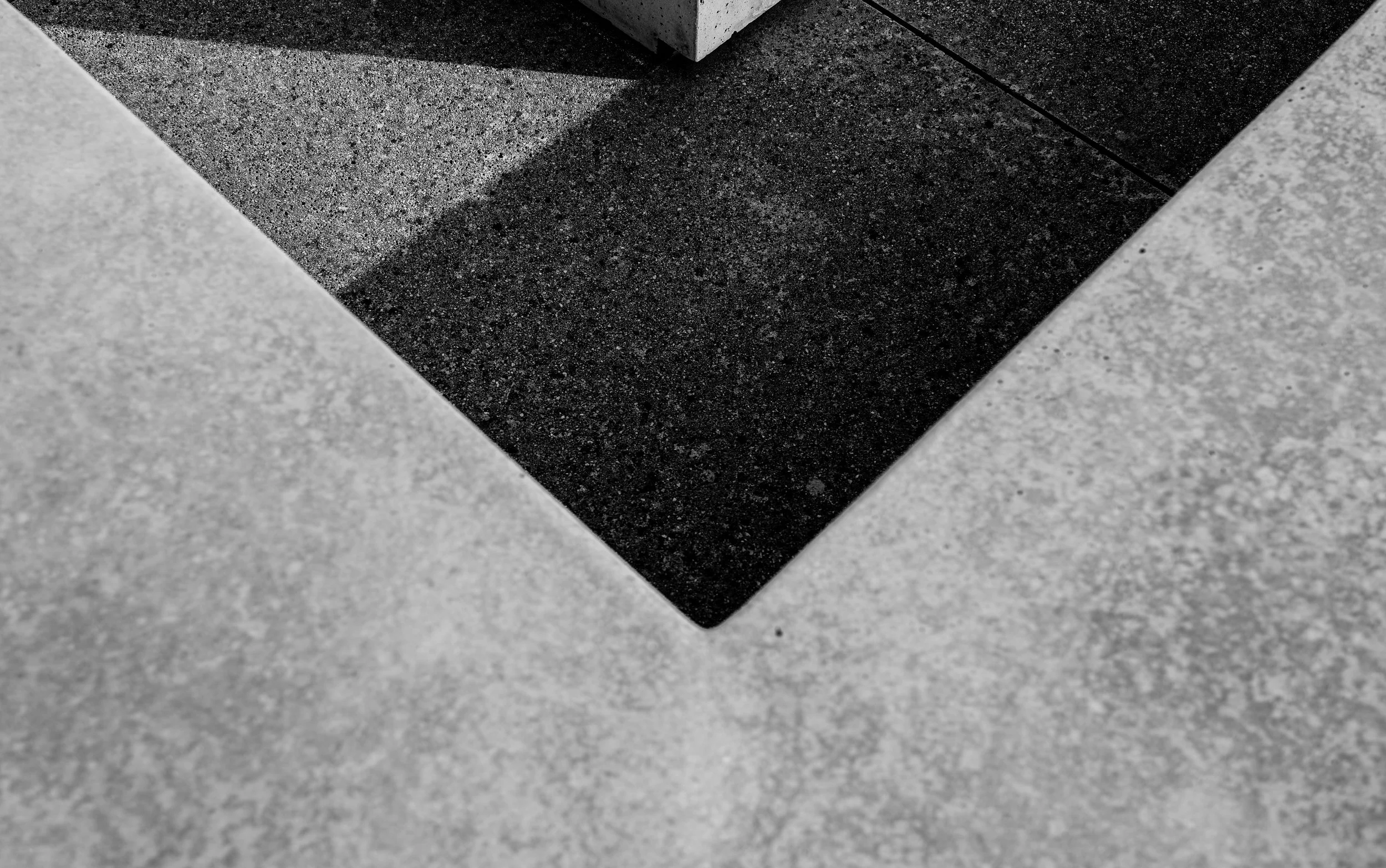
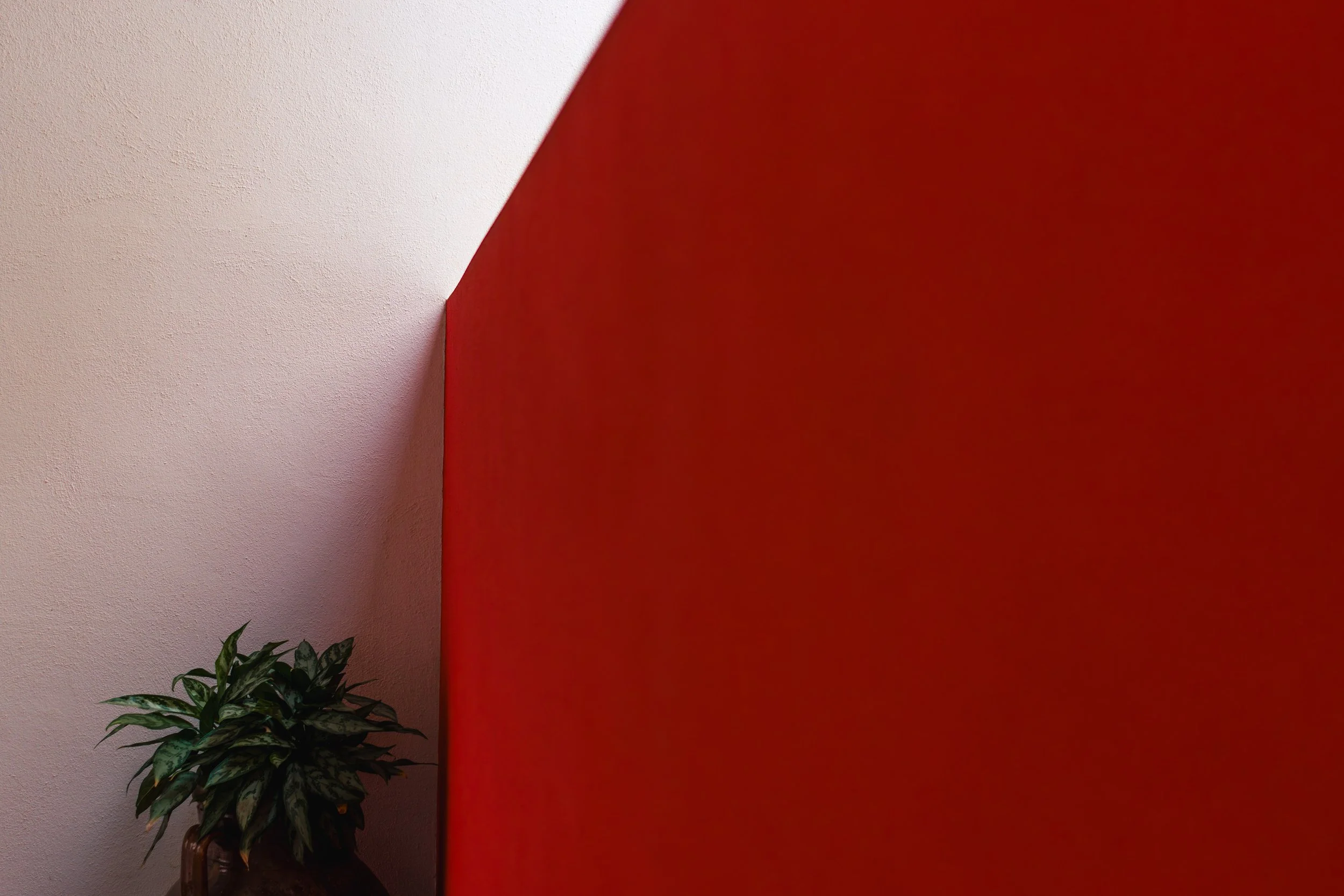
The more I looked, the more there was to see. A staircase became an arrangement of rectangles and colour. A section of wall became a study in red, white and shadow. Repeating beams overhead created their own rhythm against the sky.
Nothing extraordinary needed to happen. The act of noticing was enough.
Learning to see again
Photography can easily become connected to outcomes.
We think about the finished gallery, the photograph we want to share, the expectations of a client, the technical choices we need to make, or whether an image is somehow “good enough”. But wandering around with a camera and no particular objective removes much of that noise. You begin to respond more instinctively.
You notice how light changes the character of a familiar surface. You move slightly to the left because two lines suddenly align. You wait because a shadow is slowly moving towards a composition that interests you. It becomes less about searching for photographs and more about being receptive to them.
That, for me, is one of the simplest pleasures photography can offer.
The beauty of limitations
I was photographing with a fixed 35mm lens, which added another layer of simplicity. There was no zooming in or out. If I wanted the composition to change, I had to move or crop in. Restrictions like this can be surprisingly freeing. Instead of wondering which lens or focal length might work best, you simply work with what you have and concentrate on what is in front of you.
Where should I stand?
What happens if I move closer?
What should be included, and what should be left outside the frame?
Photography becomes an exercise in observation rather than equipment.
Finding photographs in ordinary places
None of these photographs depended on a dramatic landscape, perfect conditions or a carefully planned location. They came from walking through a place I happened to be visiting and remaining curious about it. That is something I think photography teaches us particularly well.
Interesting photographs are not always waiting somewhere spectacular. Sometimes they are found in the relationship between two colours, the edge of a building against the sky, a patch of afternoon light or a shadow falling across an otherwise ordinary wall. The world changes when we give ourselves enough time to notice these things.
Let us love photography for the sake of photography
That hour reminded me of something easy to forget. Before photography becomes a profession, a portfolio, a social-media post or something we feel we need to produce, it can simply be a way of seeing.
A reason to slow down.
To become curious.
To notice light.
To appreciate shape, colour and shadow.
And occasionally, to make a photograph simply because something made us stop and look.
There does not always need to be a greater purpose.
Sometimes the pleasure of seeing differently is reason enough.